
For many homebuyers in the Inland Northwest, the dream of homeownership has shifted. It is no longer just about square footage or countertop finishes; it is about the ecosystem in which the home sits.
If you are currently searching for new homes in Deer Park, WA, you have likely noticed a surge in “master-planned communities.” But what does that actually mean for your daily life? More importantly, how do you distinguish between a neighborhood that simply has a few patches of grass and a community truly designed for an outdoor lifestyle?
This guide explores the rise of amenity-rich living in Deer Park and provides a framework for finding a home that extends beyond your property line.
The Shift to “Community-First” Living
Historically, buying a new home in a rural or semi-rural area like Deer Park meant buying a standalone plot of land. If you wanted amenities, you drove to town. Today, however, the landscape is changing.
Modern developers are moving toward a “community-first” approach. This philosophy prioritizes the space between the homes as much as the homes themselves. In Deer Park, this is particularly relevant given the area’s natural beauty and proximity to outdoor giants like Mount Spokane State Park.
Why “Dedicated Access” Matters
When browsing listings, you will often see phrases like “near parks” or “close to trails.” As a buyer, it is crucial to understand the difference between proximity and integration.
- Proximity: You live a mile away from a public park. You still have to cross busy streets or drive to get there.
- Integration: The trail system is woven into the fabric of the neighborhood. Greenbelts connect cul-de-sacs, and dedicated parks are built specifically for residents.
Communities like Architerra’s Mountain View Meadows are prime examples of this shift. Rather than viewing land merely as a grid for housing lots, the design incorporates open spaces that encourage walking, biking, and neighborly interaction naturally.
Navigating the Buying Process: What to Look For
Finding a home with these features requires a different set of questions than buying a standard resale home. You aren’t just inspecting the roof; you are inspecting the master plan.
Here is what you need to evaluate when looking at new construction communities in Deer Park:
1. The Master Plan vs. Current Reality
One of the most common points of confusion for new buyers is the timeline. If you are buying into a new phase of development, the “lush community park” might currently look like a dirt lot.
- Ask for the Phasing Map: Reputable builders will show you exactly where future amenities will go and, roughly, in which phase of construction they will be completed.
- Check the Connectivity: Look at how the internal trails connect to the wider world. Do they link up with Deer Park’s existing infrastructure or lead to local schools?
2. The Role of the HOA
Many buyers are wary of Homeowners Associations (HOAs), but in amenity-rich communities, they play a vital role.
- Maintenance: Who mows the greenbelts? Who paves the trails when they crack? In communities with extensive private amenities, the HOA ensures these assets remain valuable rather than becoming eyesores.
The Hidden Value of Outdoor Amenities
Why prioritize a community with trails and parks? Beyond the obvious enjoyment of a Sunday stroll, there are tangible benefits that many first-time buyers in the area might not consider.
The “Third Place” Effect
Sociologists talk about the “third place”—a social surrounding separate from the two usual social environments of home (“first place”) and the workplace (“second place”).
In a well-designed community, the neighborhood park becomes that third place. It is where you meet neighbors while walking the dog, where parents connect while kids play, and where a collection of houses turns into a genuine community. This is especially valuable for those relocating to Deer Park from busier cities; it provides an immediate social anchor.
Economic and Health Benefits
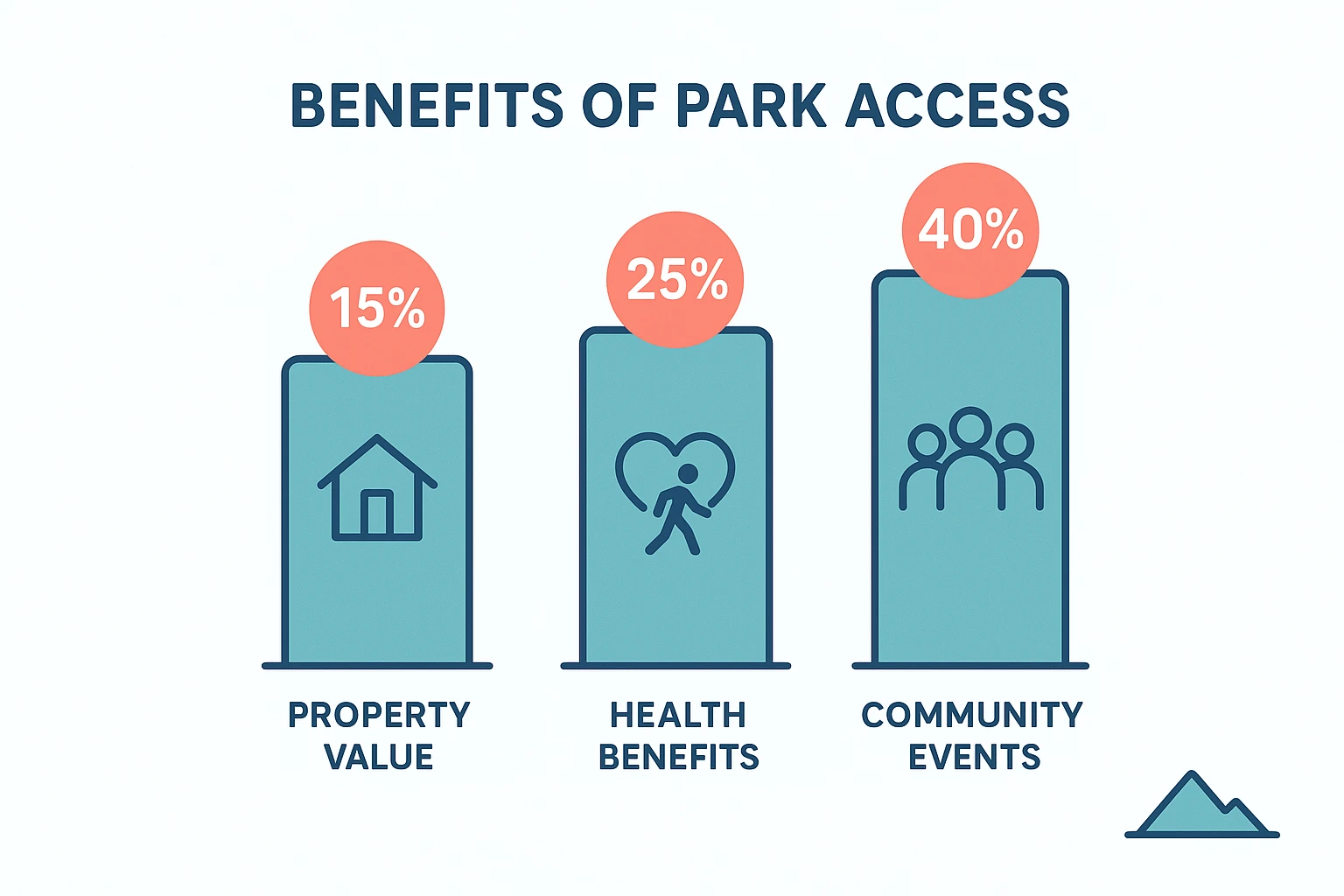
Research consistently shows that homes adjacent to parks and greenbelts maintain their value better during market fluctuations compared to identical homes without these amenities.
Furthermore, the “barrier to entry” for exercise is lowered. When a trail is 20 feet from your driveway, the likelihood of taking a daily walk increases significantly, contributing to better long-term health outcomes.

Taking the Next Step
Deer Park is rapidly evolving from a quiet waypoint to a destination for those seeking a balance between rural tranquility and modern convenience.
If you are considering a move, look beyond the floor plan. Drive to the community, park your car, and walk the grounds. Can you see yourself using the trails? Is the green space inviting?
Finding the right home is about finding the right lifestyle. By prioritizing communities with integrated outdoor amenities, you aren’t just buying a house; you are investing in a healthier, more connected future.